What Is Emotion Regulation & Anger?
Clinically, emotion regulation refers to the processes people use to recognize, understand, tolerate, and influence their emotional responses. Anger is one emotional response that can become difficult to manage when its intensity, duration, or expression begins interfering with relationships, work, school, or daily life.
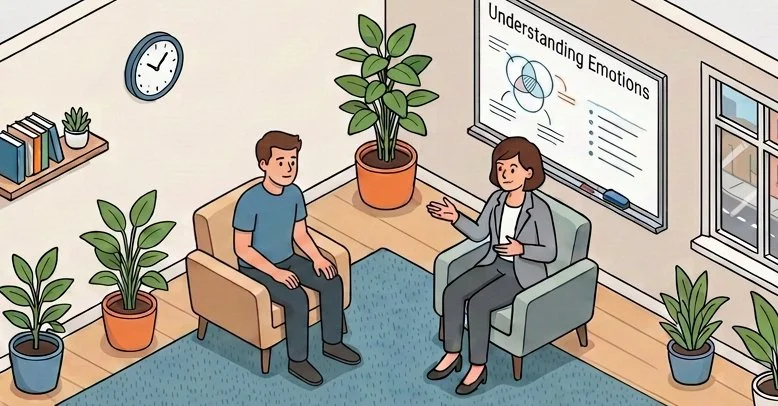
In everyday terms, emotion regulation is the ability to experience a strong emotion without automatically letting that emotion determine what you say or do. The goal of counseling is not necessarily to eliminate anger. Instead, therapy can help you recognize what is happening earlier, understand what may be driving the reaction, and choose a response that is more consistent with your goals.
Anger can look different from person to person. Some people become loud or confrontational, while others shut down, become resentful, withdraw, or hold their feelings in until they eventually become overwhelmed.
People may seek counseling for concerns related to:
Anger management - difficulty controlling anger or responding to situations without escalating.
Irritability and frustration - becoming upset quickly or having a low tolerance for everyday frustrations.
Emotional outbursts - yelling, arguing, crying, or reacting more intensely than intended.
Impulse control - difficulty pausing before speaking or acting when emotions are strong.
Emotional awareness - difficulty identifying what you are feeling or understanding what triggered the reaction.
Conflict and relationships - anger or emotional reactions contributing to recurring problems with partners, family, friends, coworkers, or others.
Emotional shutdown - withdrawing, becoming numb, or avoiding difficult emotions rather than expressing them.
Anger itself is not necessarily a problem. It can communicate that something feels unfair, threatening, hurtful, or inconsistent with your needs or values. Counseling can focus on helping you understand the message behind the emotion while developing healthier ways to express and respond to it.
Common Emotion Regulation & Anger Concerns
Becoming angry very quickly
Feeling like emotions become overwhelming
Having difficulty calming down after becoming upset
Saying things during an argument that you later regret
Yelling or raising your voice during conflict
Becoming frustrated by relatively small problems
Holding emotions in until they eventually come out intensely
Difficulty identifying what you are feeling until you are already overwhelmed
Feeling guilty or embarrassed after an emotional reaction
Repeated arguments with a partner, family member, friend, or coworker
Wanting to respond differently but struggling to stop the reaction in the moment
People seeking emotion regulation or anger counseling may describe experiences such as:
What Can Difficulty Regulating Emotions Feel Like?
Dagenhart Health and Wellness provides counseling for anger, emotional reactivity, frustration, and difficulty managing strong emotions. Treatment can focus on recognizing emotional triggers, understanding patterns that contribute to escalation, developing practical regulation skills, improving communication, and creating more intentional responses to difficult situations.
If anger, irritability, emotional outbursts, or difficulty managing strong emotions is affecting your relationships, work, school, or quality of life, emotion regulation and anger counseling may be able to help.